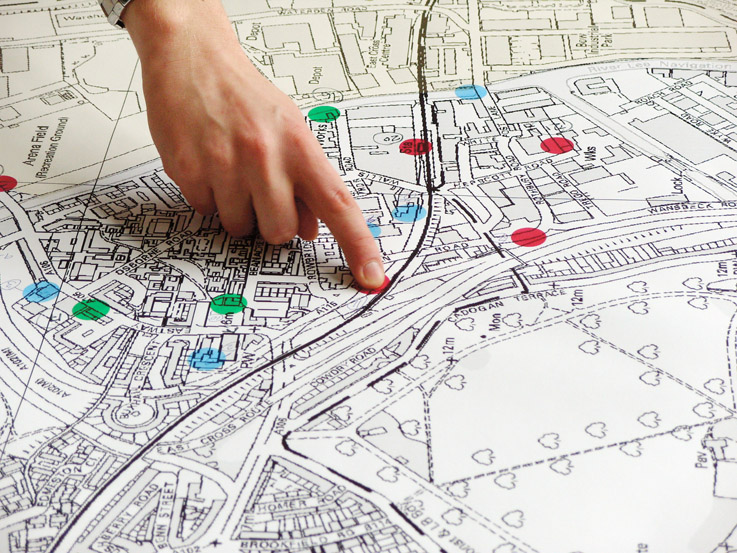
One of the best parts of vacation for me comes weeks before the actual trip. We would sit down and plan out where we were going. I can remember deciding on a destination and then my Dad pulling out the Rand McNally Atlas and starting to map out how we were going to get there. He would identify all of the highways we needed to take. Next we would look for interesting stops along the way. We would have to calculate drive time, pit stops and overnight stays. All in all it was a fun time of getting a vision for the trip before we ever packed one suit case. We knew where we were going, we anticipated some of the interesting stops along the way. We built excitement for the trip. The journey was as important as the destination.
As leaders, we must never forget that we are leading people on a journey, not just heading toward a destination. While vision is crucial to any organization, churches included, we may never experience the vision if we haven’t carefully planned out the journey. Strategy is simply planning the journey. It is sitting down and determining the route that we need to take, the stops along the way, where we may need to stop for a while and when we need to just push through. Strategy is a process. A learning process by which we understand who we are, where we are going and how we are going to get there.
Without strategy, we can never really be sure how close to the goal we are, are we heading in the right direction. Knowing who we are as a church or organization is crucial to fulfilling the vision. My family could ride 7-8 hours in a car, maybe your family needs to stop more often. Knowing who you are helps plan the steps necessary to accomplish the plan and makes the journey more enjoyable for everyone in the car.
Without a vision, a clear idea of where God is leading us, it is impossible to prepare for the journey. For the church, God establishes the vision. Then the Holy Spirit begins revealing the journey. Without the road map, we open ourselves up to confusion and chaos. Why are we taking this route, why are we stopping here, why north instead of south? Knowing where you are going makes it easier to answer the questions of those traveling with you. If you are behind the wheel, you better know where you are heading.
Identifying the destination and the starting point allows us to begin developing the steps that will get our church to realize the vision God is calling it to. This is all part of strategy. We then need to take every area of our church and organization (Sunday Morning, Small Groups, youth, worship, children’s, finances, etc) and ask ourselves, How does this area help us experience the vision? What are the key areas that that will help us achieve the vision and mission? Are there first order, incremental changes that need to occur in this area to help move the whole body closer to the goal? or is the change more drastic in an area and require second order, vision casting, restructuring.? Many times both types of change are necessary?
The leadership at the church I currently serve has been working through this process for a few years. At the beginning, they wrestled with those major changes of vision and restructuring of purpose. They really struggled with that big question: Who are we? What is God wanting? and If God had his way what would it look like. In the process some people left, decided this journey was not for them. And that’s OK. People need to know what journey they are signing up for, no surprises along the way. Now, knowing the starting line and the destination, we are better prepared to make the incremental changes along the way. Strategy never stops, it is a constant evaluation and course correction. Vision, Key Areas, Goals and Objectives, Implementation, Evaluation, Adjustments.
Where are you at? Where are you headed? Time to pull out the old Rand McNally and begin to chart your course.